National and Scottish Vocational Qualifications
Assess learners’ knowledge and skills in the workplace with National Vocational Qualifications (NVQs) in England, Wales and Northern Ireland, and Scottish Vocational Qualifications (SVQs) in Scotland, to signify a learner’s occupational experience and competence.
EAL offers a range of NVQ and SVQ qualifications for skills across the engineering and manufacturing sector, and related industries.
What is an NVQ qualification?
A National Vocational Qualification (NVQ) is a workplace-based qualification in England, Wales, and Northern Ireland. It is based on the National Occupational Standards (NOS) competence standards under levels and classification of Ofqual’s Regulated Qualifications Framework (RQF). Learners can gain an NVQ qualification at one of five levels, based on the degree of expertise and complexity it awards, from basic work skills to senior management.
NVQ levels are determined by the amount of expertise learners can expect to gather – some may require learners to have attained a qualification at a previous level before studying the next one.
What is an SVQ?
The Scottish Vocational Qualification (SVQ) is a work-based qualification, also based on National Occupational Standards (NOS), awarded to successful candidates in Scotland. The SVQ is recognised under levels and classification of the Scottish Credit and Qualifications Framework (SCQF), regulated by Qualifications Scotland, and used to determine the skills and competence of its candidates. EAL offers a range of SVQ qualifications from our training providers in centres across Scotland.
What happens in NVQ & SVQ assessment?
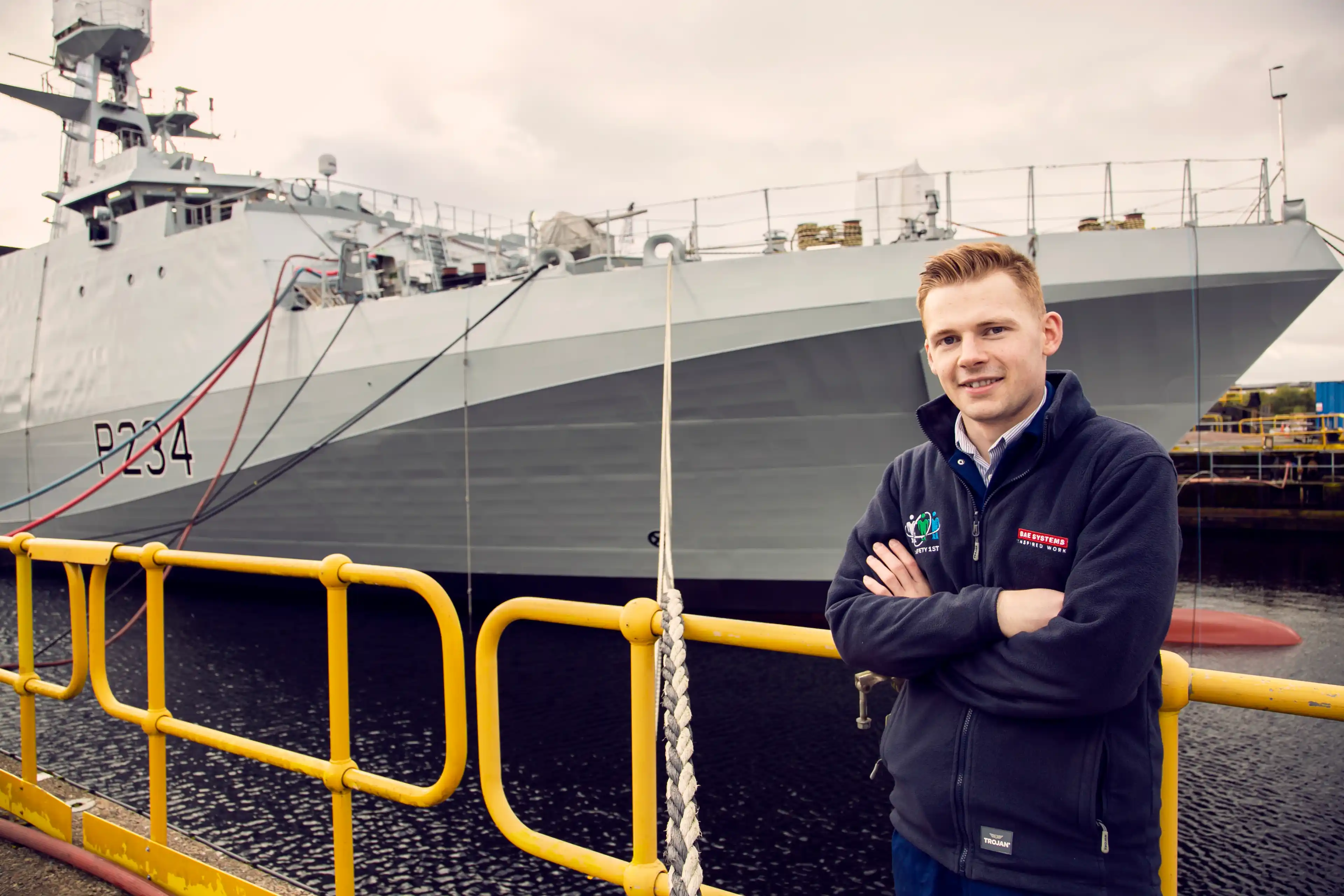
NVQ assessment is based on the learner’s being ‘competent’ or ‘not yet competent’ at the performance of the work within their role. NVQs and SVQs describe what people are expected to have the ability, skills, and knowledge to do within the trade they are studying for.
NVQs and SVQs are workplace-based qualifications. They’re vocational so there isn’t much in the way of classroom study, although some qualifications have an examination during the assessment phase.


NVQ level equivalents
Each of the NVQ levels has roughly equivalent qualifications from within secondary and further education. For example, an NVQ Level 3 certificate is roughly worth the same as two A Levels.
These NVQ level comparisons are more in terms of the depth of knowledge gained, and not so much the time or other commitments needed.
Table of NVQ equivalents
See the qualification levels table below to find out more about NVQ equivalents.
| RQF level | NVQ level | Academic equivalent | Other equivalent |
| 8 | Doctoral | ||
| 7 | Post-graduate | ||
| 6 | Graduate | ||
| 5 | 5 | Undergraduate | HND |
| 4 | 4 | Undergraduate | HNC |
| 3 | 3 | A Level | BTEC National Certificate |
| 2 | 2 | GCSE grades 9-4 | |
| 1 | 1 | GCSE grades 3-1 |

Help learners get NVQ qualified with EAL
EAL works with experts across the engineering and manufacturing sector, and related industries, to help learners attain NVQ certification in a range of skills.
We’re helping to develop the next generation of talent in these sectors, through widely recognised NVQ qualifications including aerospace, engineering maintenance, installation, manufacturing, electrical installation, fire and security systems, and much more.




Industry-recognised EAL qualifications
These EAL qualifications are similar to NVQs. They’re also built around work-based assessment, giving learners valuable skills validated on the job.
Some of the Level 3 electrical qualifications listed below form part of the requirements for the Domestic Electrician Experienced Worker Assessment.
Together with the AM2ED (outside of the qualification), they allow an experienced electrotechnical worker to apply for an ECS Domestic Electrician gold card.
EAL Level 3 Electrotechnical Experienced Worker
Code:
603/5982/1
Sustainability focused
EAL Level 3 Electrotechnical in Dwellings Experienced Worker
Code:
610/2859/9
Sustainability skills incorporated
EAL Level 3 Electrotechnical Qualification
Code:
601/7345/2
Sustainability skills incorporated
Resources available
EAL Level 3 Electrotechnical in Dwellings
Code:
610/1335/3
Sustainability skills incorporated
EAL Building Services Engineering (Level 3) - Electrotechnical Installation / Peirianneg Gwasanaethau Adeiladu (Lefel 3) EAL – Gosod Electrodechnegol (SE)
Code:
C00/4278/8
Sustainability skills incorporated
EAL Level 3 NVQ Diploma in Providing Electronic Fire and Security Systems
Code:
603/6194/3
Sustainability focused
EAL Level 2 NVQ Diploma in Plumbing and Heating
Code:
501/1752/X
Sustainability focused
Subscribe to our free newsletter
Get the latest news about EAL’s qualifications, assessments and skills solutions, plus important centre service and support updates.
Your work email*